Furnace Repair in Henderson, CO
Furnace Repair in Henderson, CO
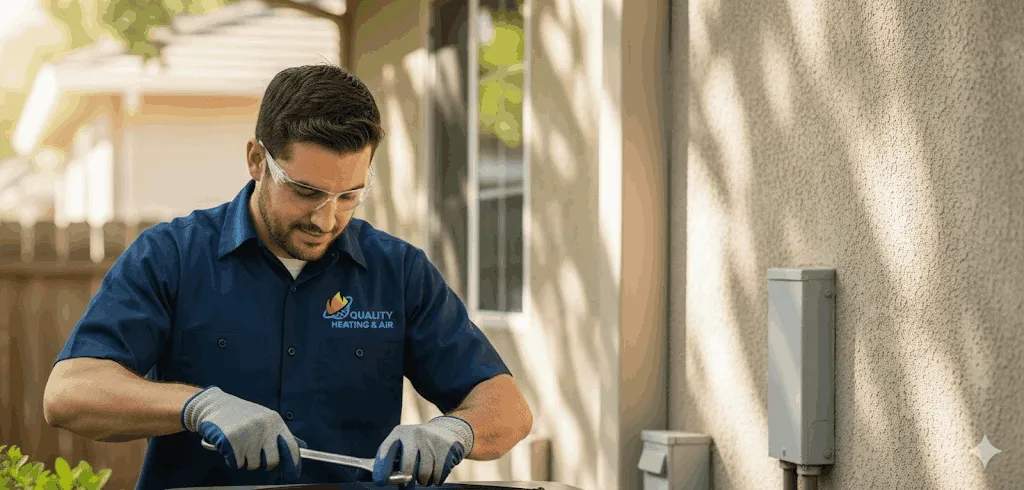
When winter temperatures drop in Henderson, CO, a dependable furnace is essential. Local winters bring sustained cold spells, wide temperature swings, and dry air that put extra strain on heating systems. Professional furnace repair in Henderson, CO focuses on restoring safe, reliable heat quickly while minimizing cost and disruption.
Common furnace repair issues in Henderson, CO
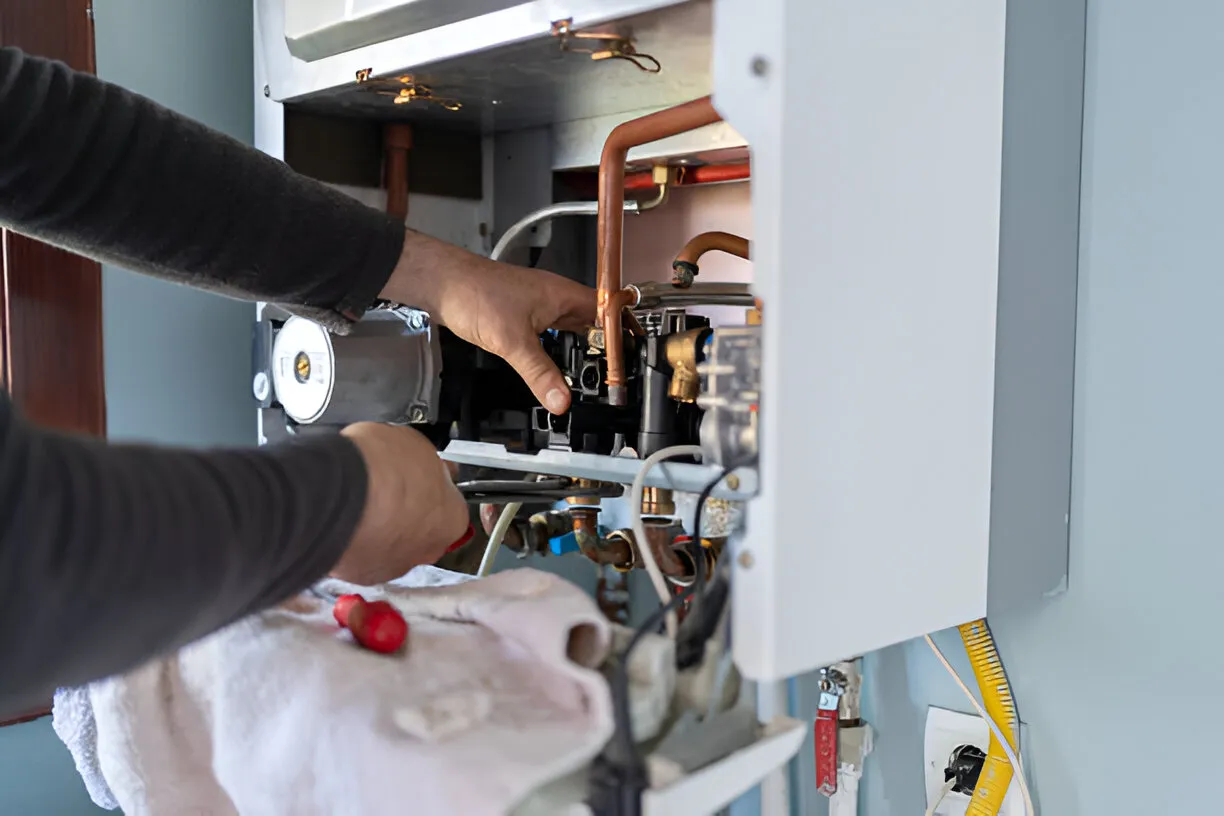
Understanding symptoms helps homeowners recognize when professional service is needed. Common furnace problems we see in Henderson homes include:
- No heat or intermittent heating: Furnace runs but delivers little or no warm air. Often caused by thermostat faults, ignition problems, or blocked gas supply.
- Strange noises: Rattling, banging, squealing, or humming can indicate loose panels, failing blower motors, worn bearings, or issues with the inducer motor.
- Short cycling or frequent on/off cycles: This reduces comfort, increases wear, and is commonly caused by clogged filters, faulty limit switches, or airflow restrictions.
- Weak airflow: Reduced airflow can come from a failing blower motor, collapsed duct, or blocked return vents—especially common in older homes.
- Pilot light or ignition failures: A failed hot surface ignitor, weak pilot flame, or dirty flame sensor will prevent reliable ignition.
- Odors or visible soot: Fuel combustion problems or a cracked heat exchanger can produce odors, soot, or dangerous carbon monoxide risk.
- Higher energy bills: A furnace that runs constantly or cycles inefficiently will increase fuel use, especially at Colorado altitudes where systems work harder.
Step-by-step diagnostic process
A systematic diagnostic approach identifies the root cause without unnecessary repairs. Typical steps include:
- Initial safety and visual inspection: Check for gas leaks, visible damage, electrical issues, and proper venting.
- Thermostat verification: Confirm thermostat settings, wiring, and battery health to rule out control problems.
- Control and error-code review: Read diagnostic codes on the furnace control board and check system history.
- Combustion and ignition checks: Inspect the ignitor, pilot assembly, flame sensor, and gas valve operation.
- Airflow and blower assessment: Measure return and supply airflow, inspect the blower motor, belts, and filters, and check ductwork for obstructions.
- Electrical testing: Test capacitors, relays, transformers, and control circuits for proper voltage and continuity.
- Heat exchanger inspection: Visually and instrumentally check the heat exchanger for cracks or corrosion that could pose safety risks.
- System performance test: Run the furnace through a full cycle to confirm repair needs and verify safe operation.
Diagnostics are performed with homeowner safety and transparency in mind; findings are explained in plain language.
Emergency furnace repair and 24/7 availability
Henderson winters can make a no-heat situation urgent. Emergency furnace repair services include rapid response for:
- Complete heating failure during freezing conditions
- Suspected gas leaks or strong odors of gas
- Carbon monoxide alarm activation
- Active smoke, flames, or visible sparking
Emergency protocols prioritize safety: isolating gas supply if needed, ventilating affected spaces, and making temporary safe repairs where possible until permanent parts can be installed. Technicians available around the clock follow standardized safety checks before restoring heat.
Typical repairs and parts replaced
Common repairs performed during furnace service in Henderson include:
- Filter replacement and full system cleaning to restore airflow and efficiency
- Ignitor or pilot assembly replacement (hot surface ignitor or electronic igniter)
- Flame sensor cleaning or replacement to maintain reliable combustion
- Gas valve and pressure switch repairs when fuel delivery or safety interlocks fail
- Blower motor and capacitor replacement to restore airflow and reduce noise
- Inducer motor and draft assembly repairs for proper venting
- Control board and thermostat replacement for electrical/control faults
- Heat exchanger assessment; minor repairs are rare and often a full replacement is recommended for safety
Each repair option is explained with expected outcomes and longevity so homeowners can make informed decisions.
Estimated timelines and transparent pricing
Typical timeframes depend on the issue:
- Diagnostic visit: 30 to 90 minutes to thoroughly evaluate system operation.
- Simple repairs (filters, sensors, ignitors): Often completed the same day during the diagnostic visit.
- Moderate repairs (blower motor, control board, gas valve): May require parts ordering; many are completed within 24 to 72 hours.
- Major repairs or heat exchanger replacement: Can take multiple days depending on parts lead times and any required permits.
Transparent pricing practices include written estimates before work begins, itemized lists of parts and labor, and clear explanations of options when multiple repair paths exist. Estimates account for safety considerations unique to high-altitude Colorado installations, such as combustion tuning and venting adjustments.
Technician qualifications, warranties, and guarantees
Technicians servicing furnaces in Henderson, CO are NATE-certified and trained to local code and manufacturer standards. Credentials include hands-on training in combustion analysis, gas safety, and electrical troubleshooting. Technicians are background-screened, insured, and equipped to handle both routine repairs and emergency situations.
Warranty and guarantee information typically offered:
- Manufacturer parts warranties on replaced components as specified by the original equipment manufacturer
- Service workmanship guarantees covering repair labor for a defined period (commonly 90 days to 1 year, depending on the repair)
- Clear documentation of warranty terms provided with every job, including guidance for warranty claims and post-repair support
Repair vs replacement: when repair is preferable
Repair is usually the best choice when:
- The furnace is under 10 to 15 years old and otherwise in good condition
- A single, isolated component has failed (ignitor, blower motor, control board)
- The cost of repair is substantially less than replacement and the system is reasonably efficient
- Heat exchanger integrity has been verified and shows no cracks or dangerous corrosion
Replacement should be considered when:
- The furnace is older than its expected life span (typically 15 to 20 years)
- Heat exchanger failure is suspected or confirmed
- Multiple major components are failing or repair costs approach a significant percentage of replacement
- Upgrading yields substantial energy savings or eligibility for local efficiency incentives
Local factors such as Henderson’s cold winters and altitude-related efficiency losses are taken into account when evaluating whether a newer, high-efficiency model will lower long-term operating costs.
Maintenance tips to extend furnace life
Simple steps help avoid emergency repairs and extend furnace life:
- Replace disposable filters every 1–3 months during heating season
- Schedule annual professional tune-ups before winter to optimize combustion and airflow
- Keep return vents and registers unobstructed for balanced airflow
- Install and test carbon monoxide detectors on each level of the home
- Note unusual sounds or performance changes early and schedule a diagnostic visit
Professional furnace repair in Henderson, CO is focused on restoring safe, efficient heat quickly while giving homeowners clear, honest guidance on options. Proper diagnostics, quality parts, certified technicians, and transparent estimates form the basis of reliable service tailored to local needs.
Promotions
Save on seasonal system checks from a local team that treats your home like our own.

Testimonials
Neighbors trust Quality Heating & Air for honest work and fair pricing.